Vertical Farming
Also known as Controlled Environment Agriculture (CEA), the technology has huge potential impact
So, what exactly is Vertical Farming?
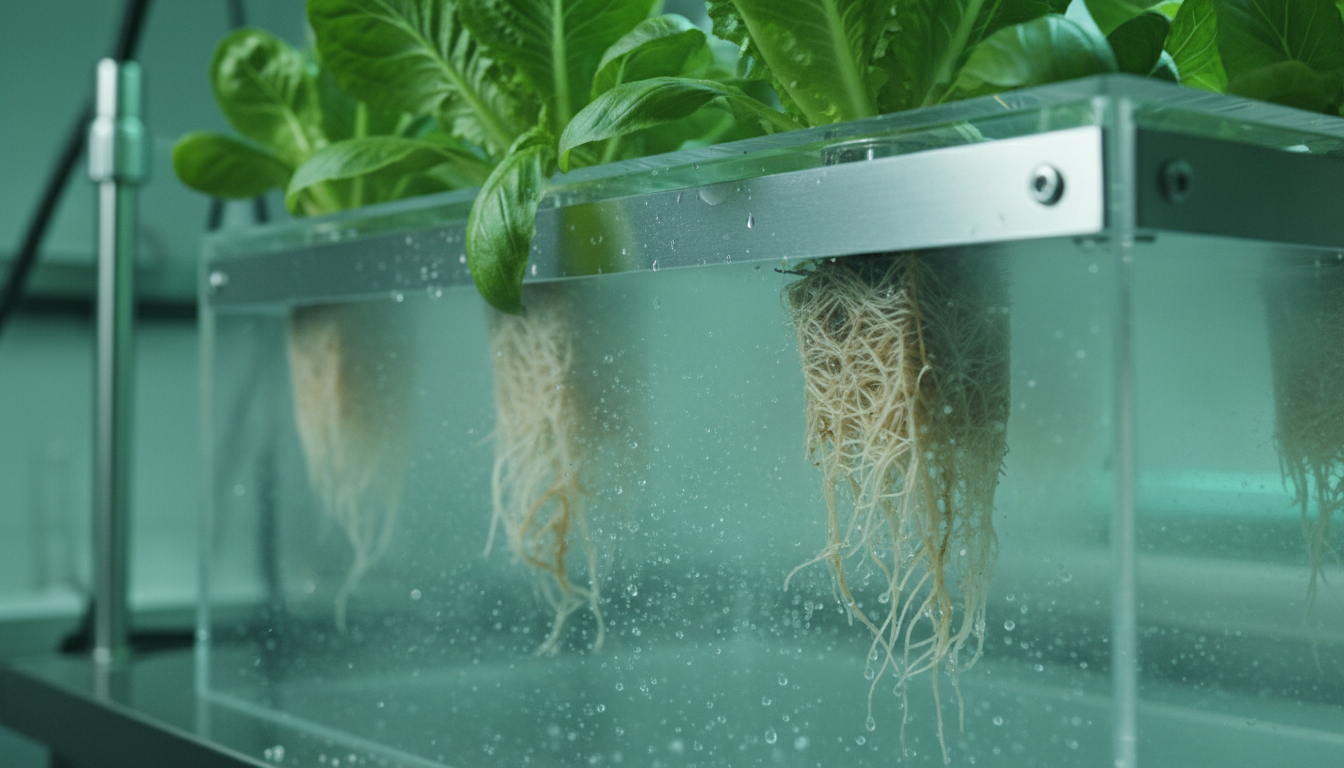
Vertical farming grows crops in vertically stacked layers within controlled indoor environments, using advanced technology to optimise every growth parameter.
Efficient Land Usage
Vertical Farming allows for more crops to be grown in a smaller footprint, maximising the use of limited land resources.
Controlled Environment
Uses controlled-environment facilities to precisely regulate temperature, humidity, lighting, and other factors for optimal plant growth.
Water Conservation
Employs hydroponics or aeroponics and recirculating water systems to significantly reduce water usage compared to traditional farming.
Year-Round Harvesting
Not constrained by seasonal changes, enabling continuous, year-round crop production regardless of external weather conditions.
No Pesticides Required
Controlled indoor environments eliminate the need for pesticides and herbicides, resulting in cleaner, healthier produce.
Reduced Food Miles
Can be located near urban centres, reducing transportation distances and ensuring fresher produce reaches consumers faster.
The Problems We're Solving
Climate Change
Unpredictable weather patterns, droughts, and extreme events threaten traditional crop yields globally.
Water Scarcity
Agriculture consumes 70% of global freshwater. Many regions face critical water shortages affecting food production.
Land Degradation
Intensive farming depletes soil nutrients, leading to lower productivity and environmental degradation.
Food Security
Growing population demands more food, while arable land diminishes and supply chains remain fragile.